1947 Partition: Sindhi Stories of Carrying Home in the Heart
Keys, seeds, recipes and prayer: what Sindhi families carried out of Sindh in 1947, where they landed, and how they rebuilt from barracks and camps.
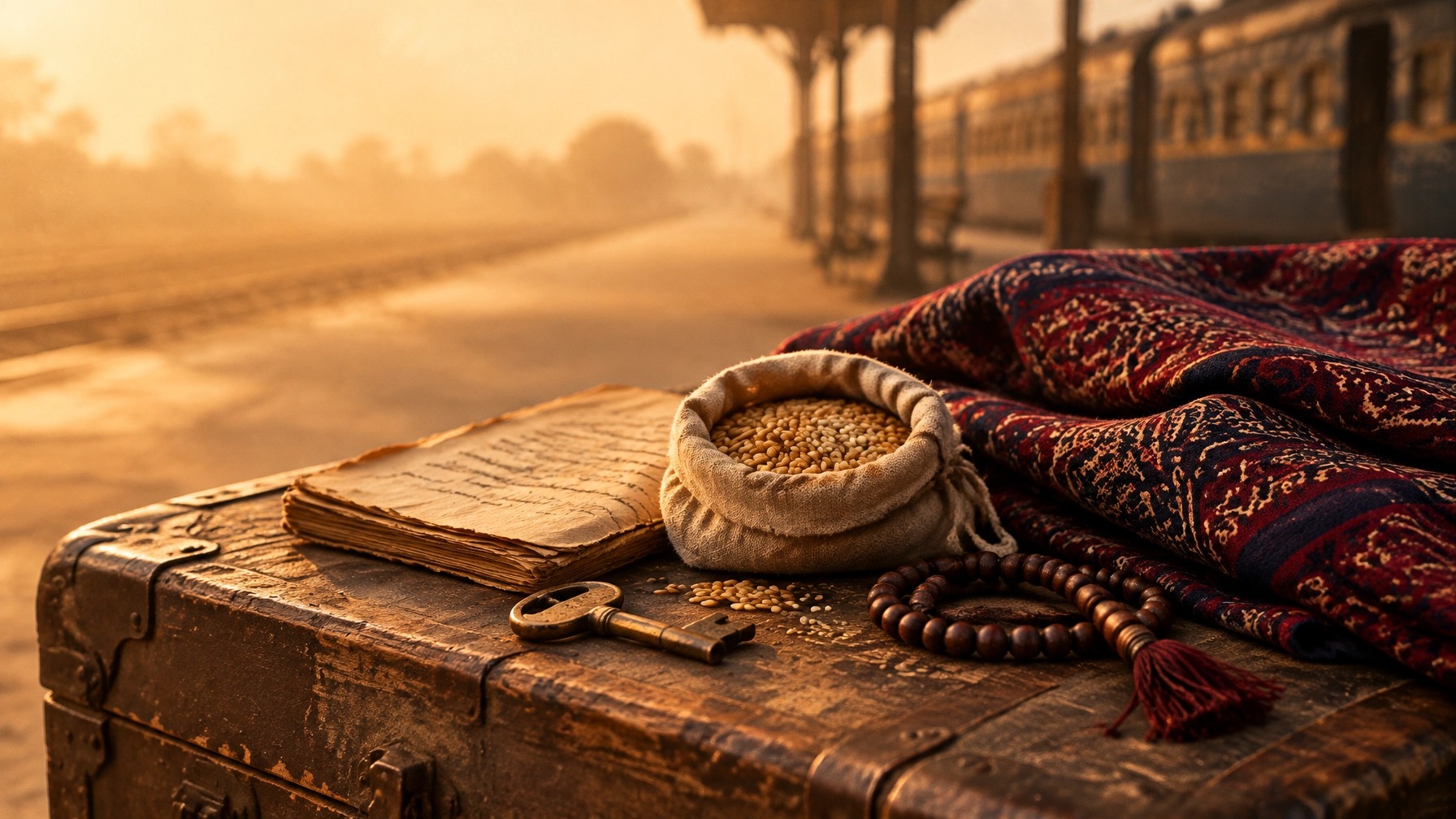
Roughly a million Hindu and Sikh Sindhis left Sindh after 1947. They did not leave as one column on one road. They left in trains, on boats, in trucks, in ones and twos, over months — and what they carried says more than any statistic.
The keys
Families locked their doors and took the keys. Not from denial, but from habit: you lock a house you intend to return to. Those keys turn up decades later in drawers in Mumbai, Dubai and New Jersey, attached to a house number nobody in the family has seen. They became the community's quietest heirloom.
Seeds, recipes and prayer
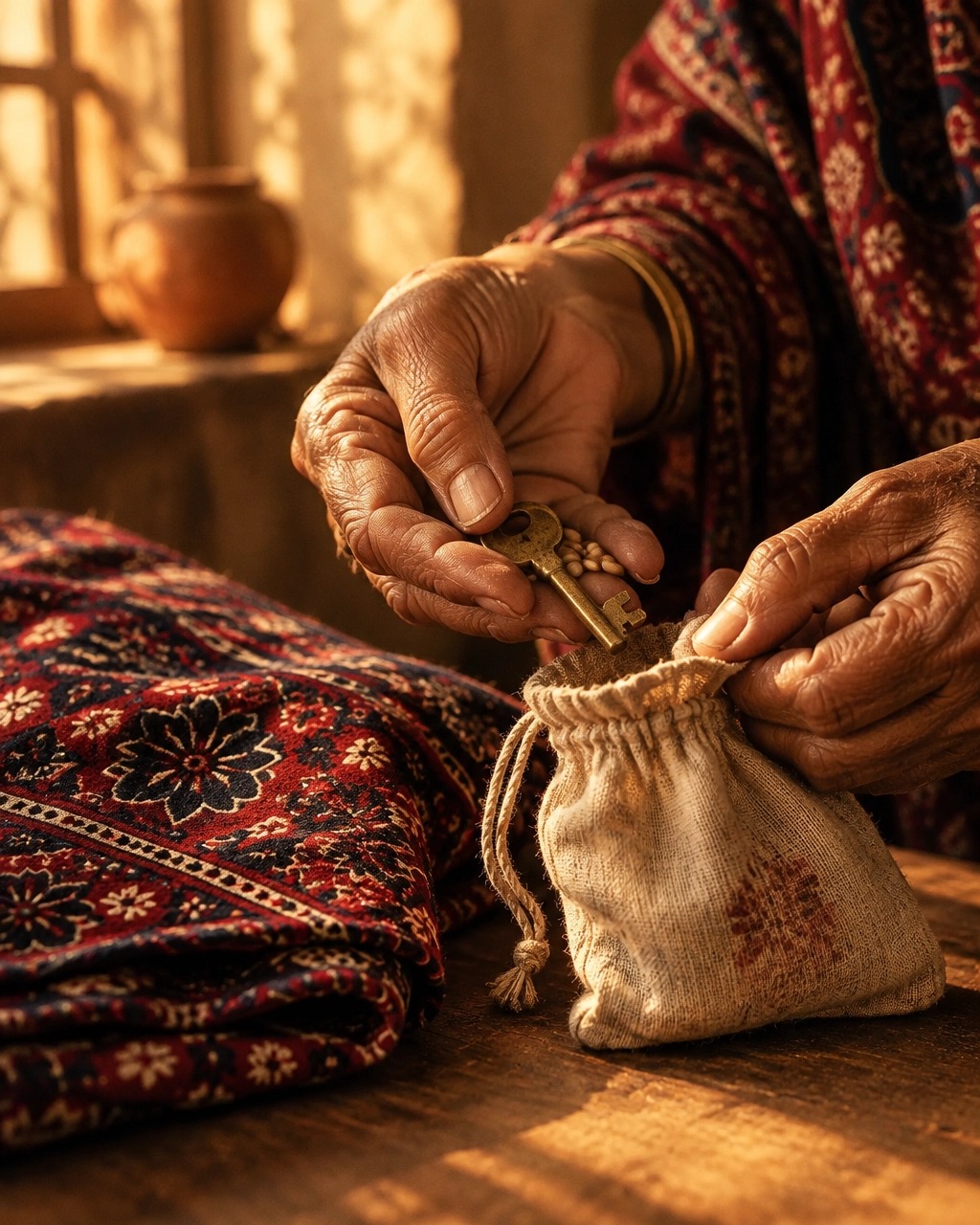
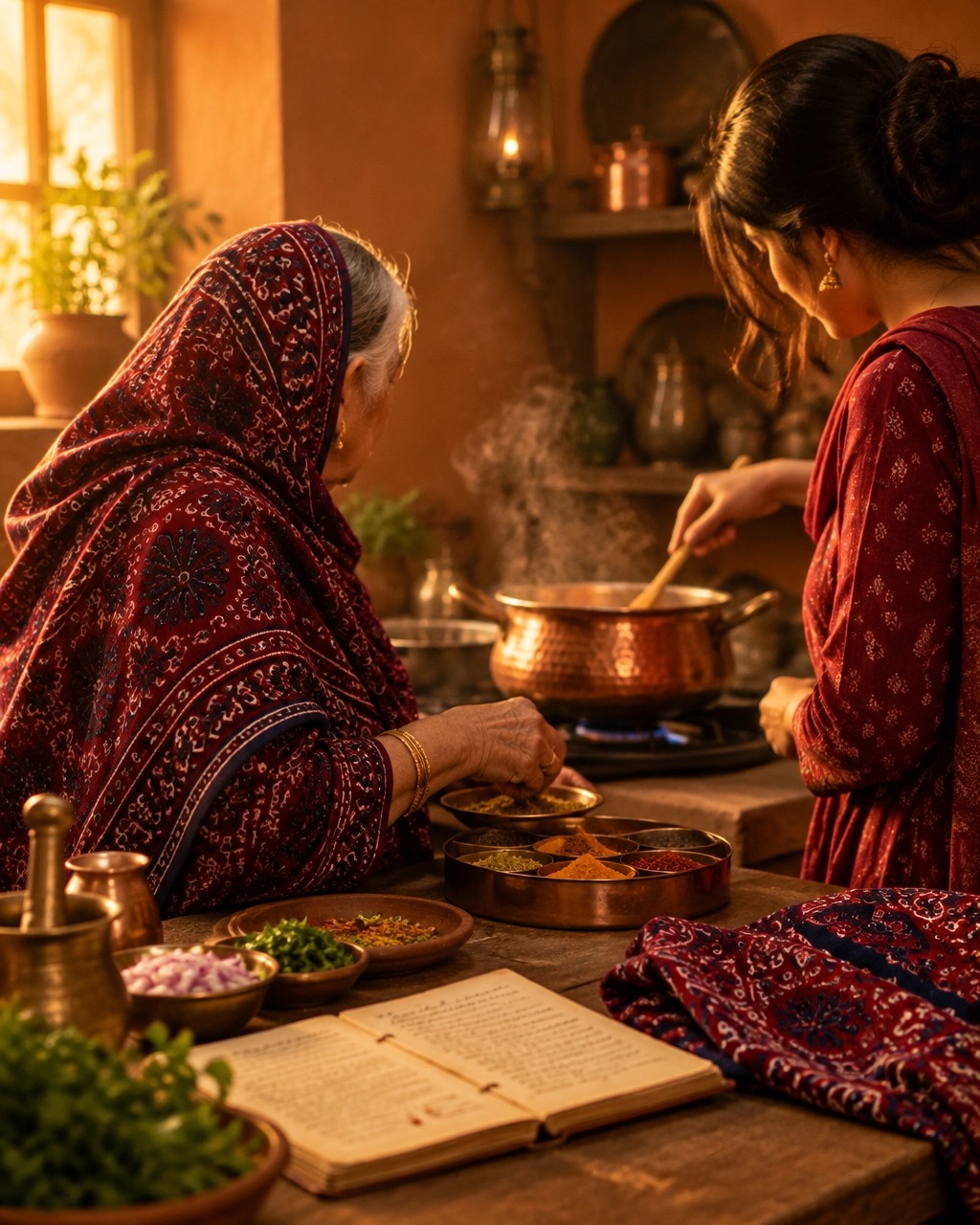
Others carried seeds knotted into cloth, a spice tin, a prayer book, a photograph. A recipe fits into memory when a household cannot fit into luggage. Prayer needed no address at all — Jhulelal travelled with the people who honoured him, and the first thing many families established in a new place was not a shop but a small shrine in the corner of a rented room.
Arrival: camps, barracks and rebuilding
Arrival was rarely gentle. Refugee camps and disused military barracks became the first addresses of a displaced community. Out of those camps grew places that still carry the story in their street plans: Ulhasnagar, built on the barracks of a wartime transit camp; Adipur and Gandhidham in Kutch, planned as settlements for Sindhi refugees. Mumbai's Sindhi schools and colleges became engines of renewal, because education was treated as the one asset no border could confiscate.
Reconstruction, not recovery
The community did not recover Sindh. It rebuilt around the absence of it. Shops opened in market corners. Credit moved on trust between families who had known each other in Karachi and Hyderabad. Within a generation, children of camp dwellers were doctors, traders, teachers and engineers across a dozen countries.
Why we keep telling it
Partition is often told as grief alone, and the grief is real: homes lost, neighbourhoods dissolved, a language pushed to the edge of daily life. But it is also a story of agency. Read The Great Exile for the full chapter, and A Borderless Nation for what followed.
Every family has a version of this story, and most of them have never been written down. Share yours in our Story Archive before it is only half-remembered.