Blog
Essays and articles on Sindhi history, culture, food and the global Sindhi diaspora.
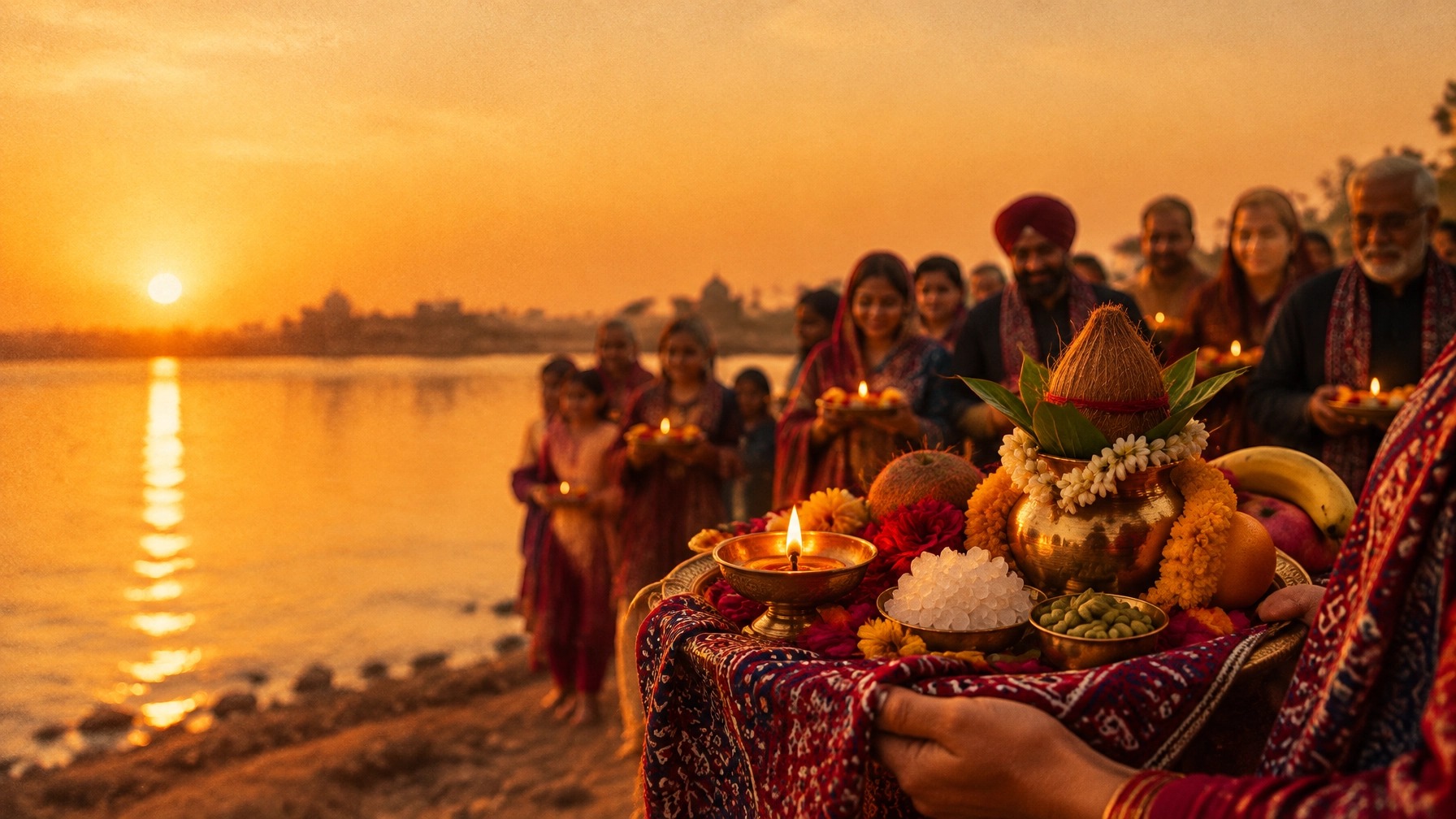
October 7, 2026
Cheti Chand marks the Sindhi New Year and the birth of Jhulelal. Inside the Baharana procession, the sacred water ritual, and why a borderless people still gather at the river.
Read article →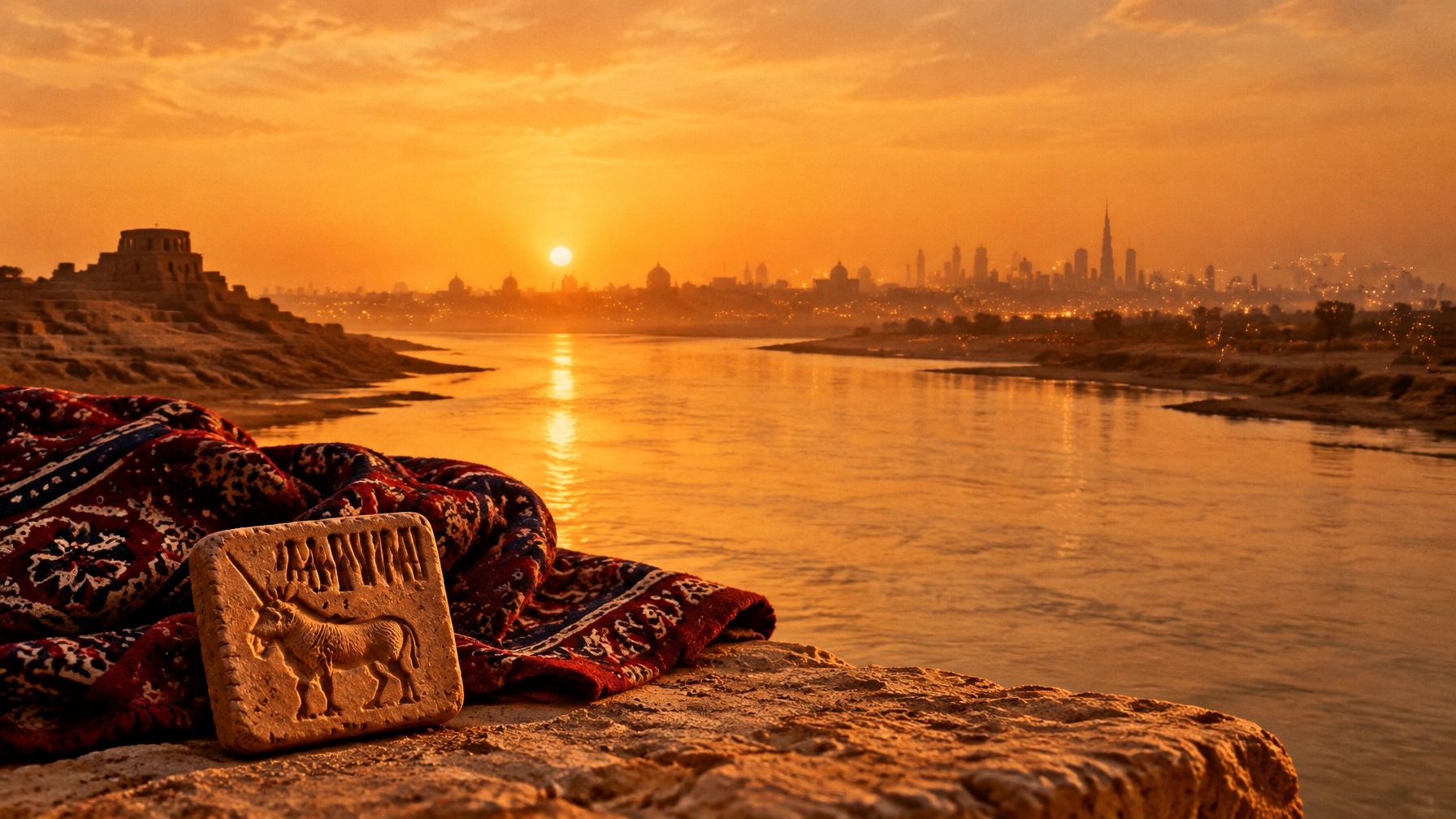
October 5, 2026
From Mohenjo-daro to every continent on earth: five millennia of Sindhi history through the Indus cities, Buddhism and Sufism, colonial Sindh, the 1947 Partition, and a borderless diaspora.
Read article →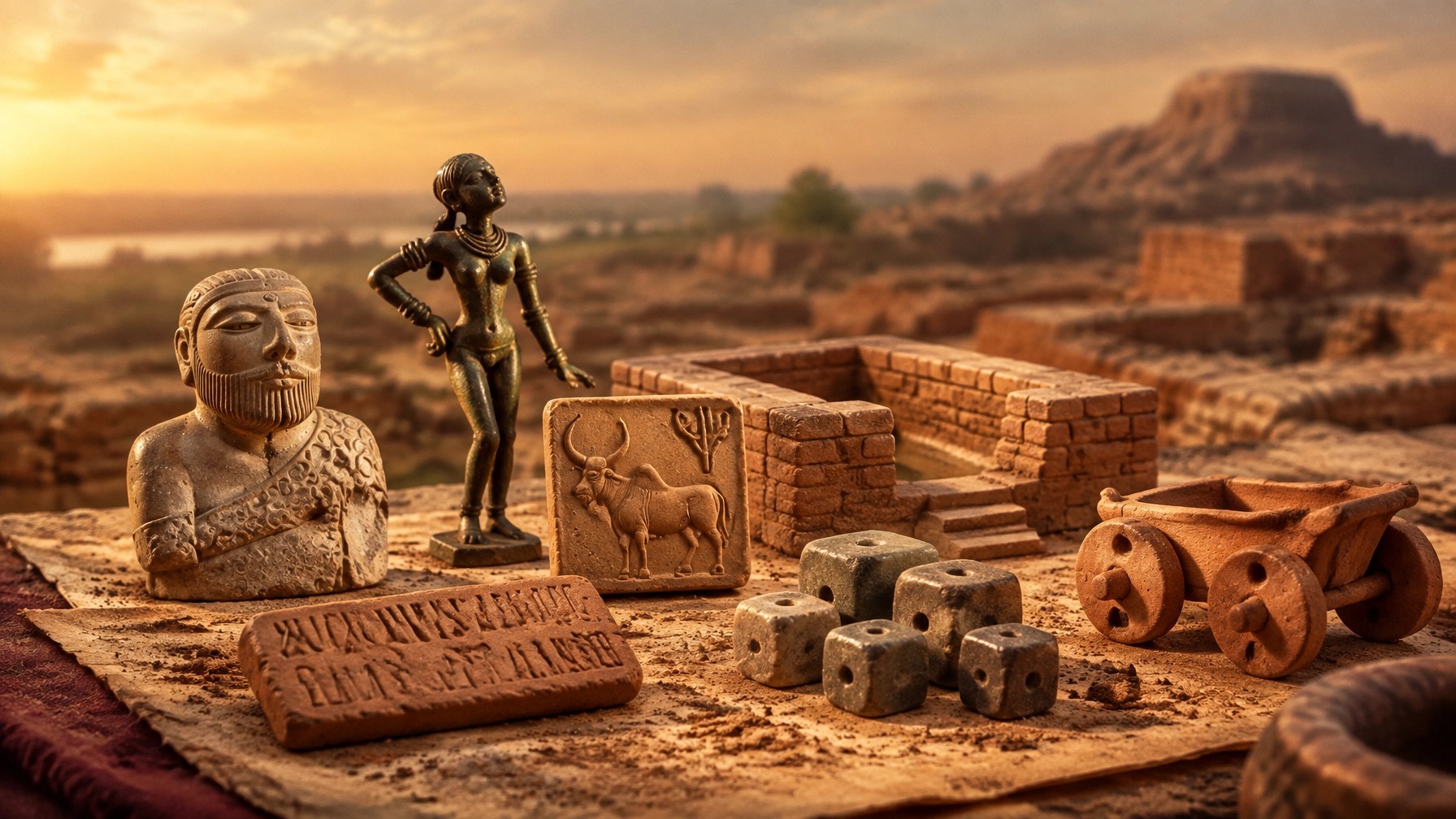
October 2, 2026
The Priest-King, the Dancing Girl, a bull seal, the Great Bath, standardised weights, terracotta toys and an unread script — seven Indus Valley treasures explained.
Read article →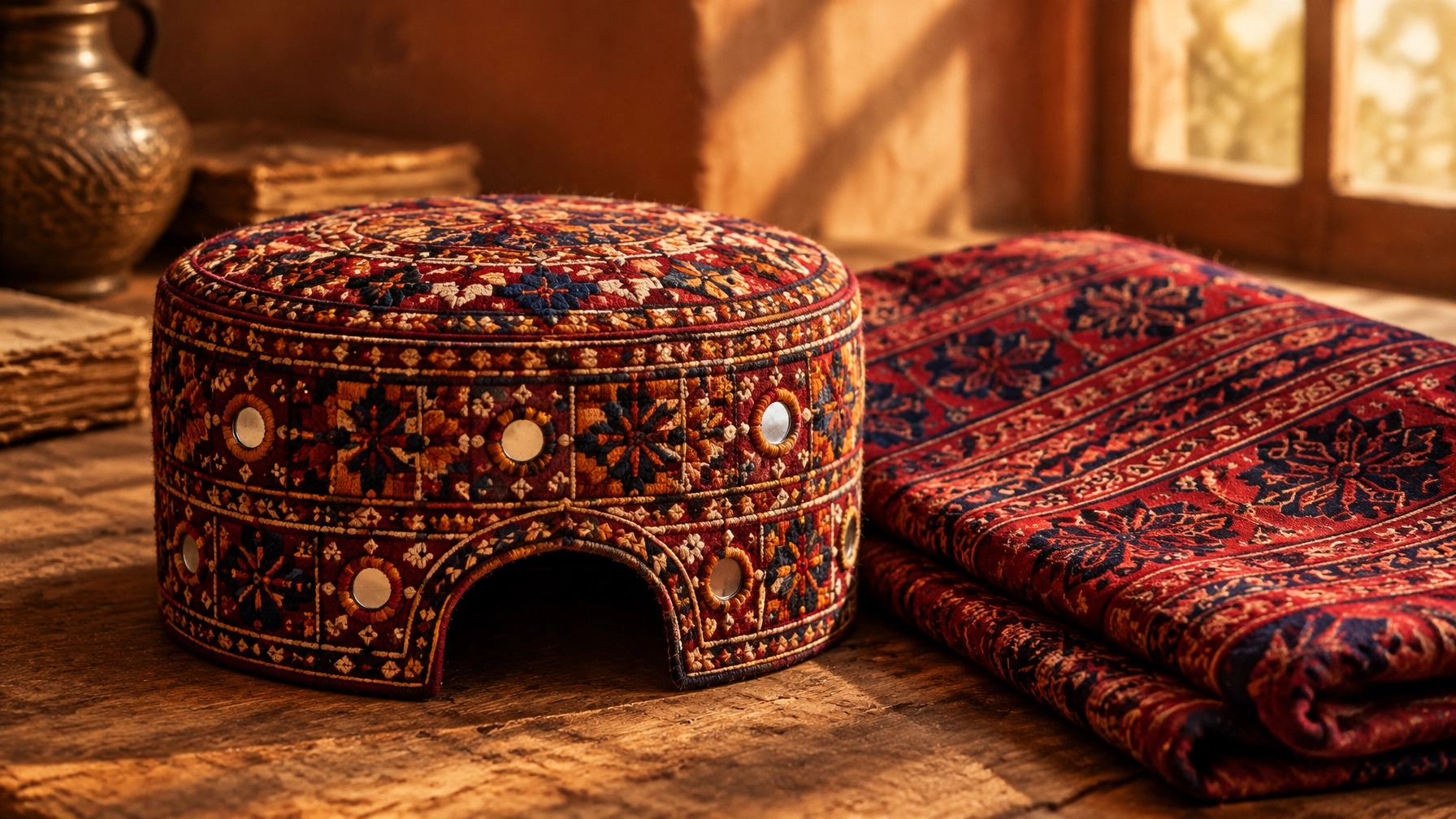
September 30, 2026
Mirror work, geometric stitching and a cut-away brow: the Sindhi topi explained, why it is worn with Ajrak, and how it became a portable emblem of identity.
Read article →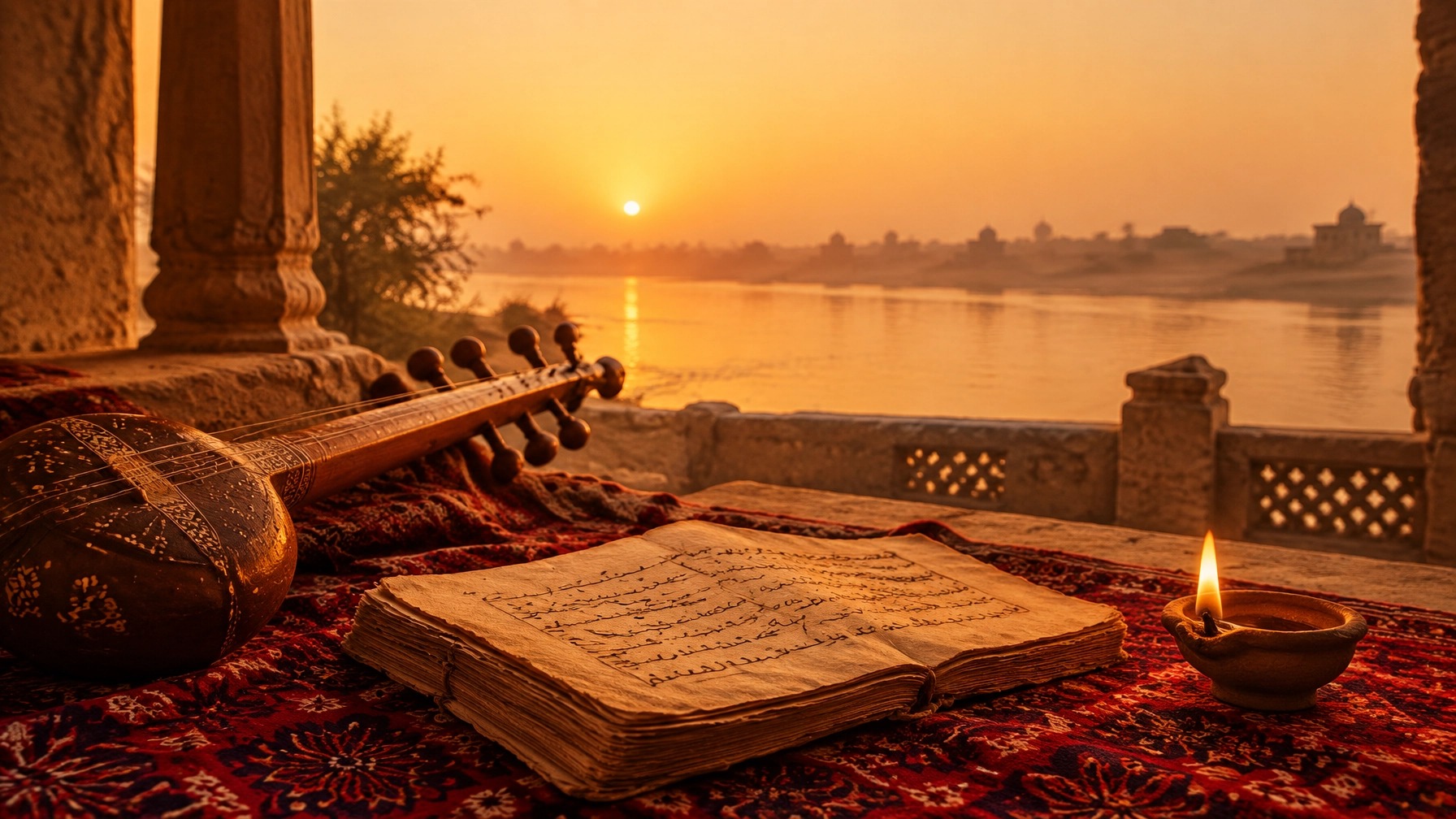
September 28, 2026
Shah Abdul Latif Bhittai (c.1689–1752) turned Sindhi folk heroines into a spiritual language. Inside Shah Jo Risalo, its surs, and why the poetry still travels.
Read article →
September 25, 2026
A wartime transit camp near Mumbai became the largest Sindhi city in India. How Ulhasnagar was named in 1949 and rebuilt itself into Little Sindh.
Read article →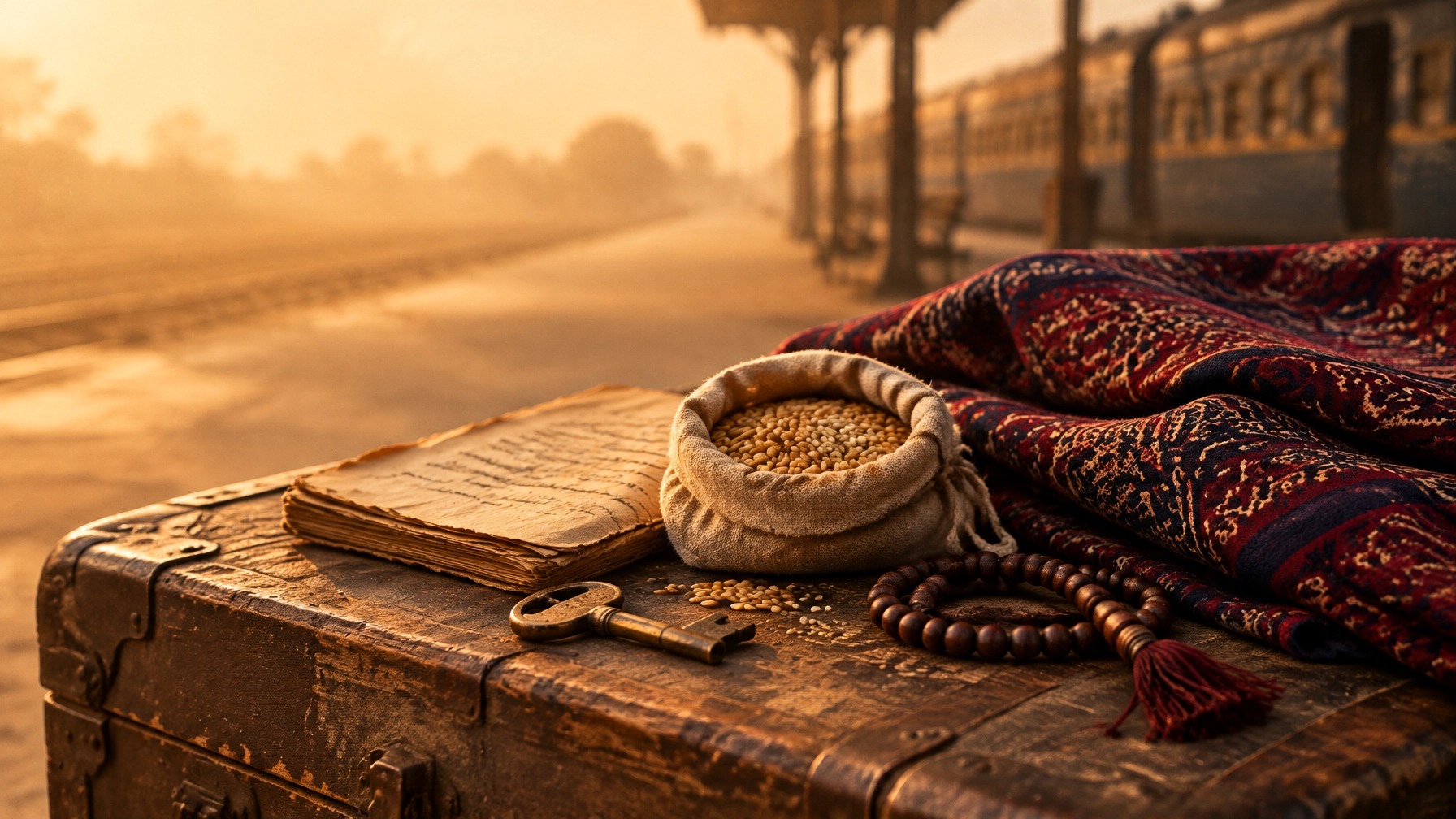
September 23, 2026
Keys, seeds, recipes and prayer: what Sindhi families carried out of Sindh in 1947, where they landed, and how they rebuilt from barracks and camps.
Read article →
September 21, 2026
Hospitality, Jhulelal, Cheti Chand, Chaliho, reverence for elders and food as memory — the Sindhi traditions that outlived the loss of a homeland.
Read article →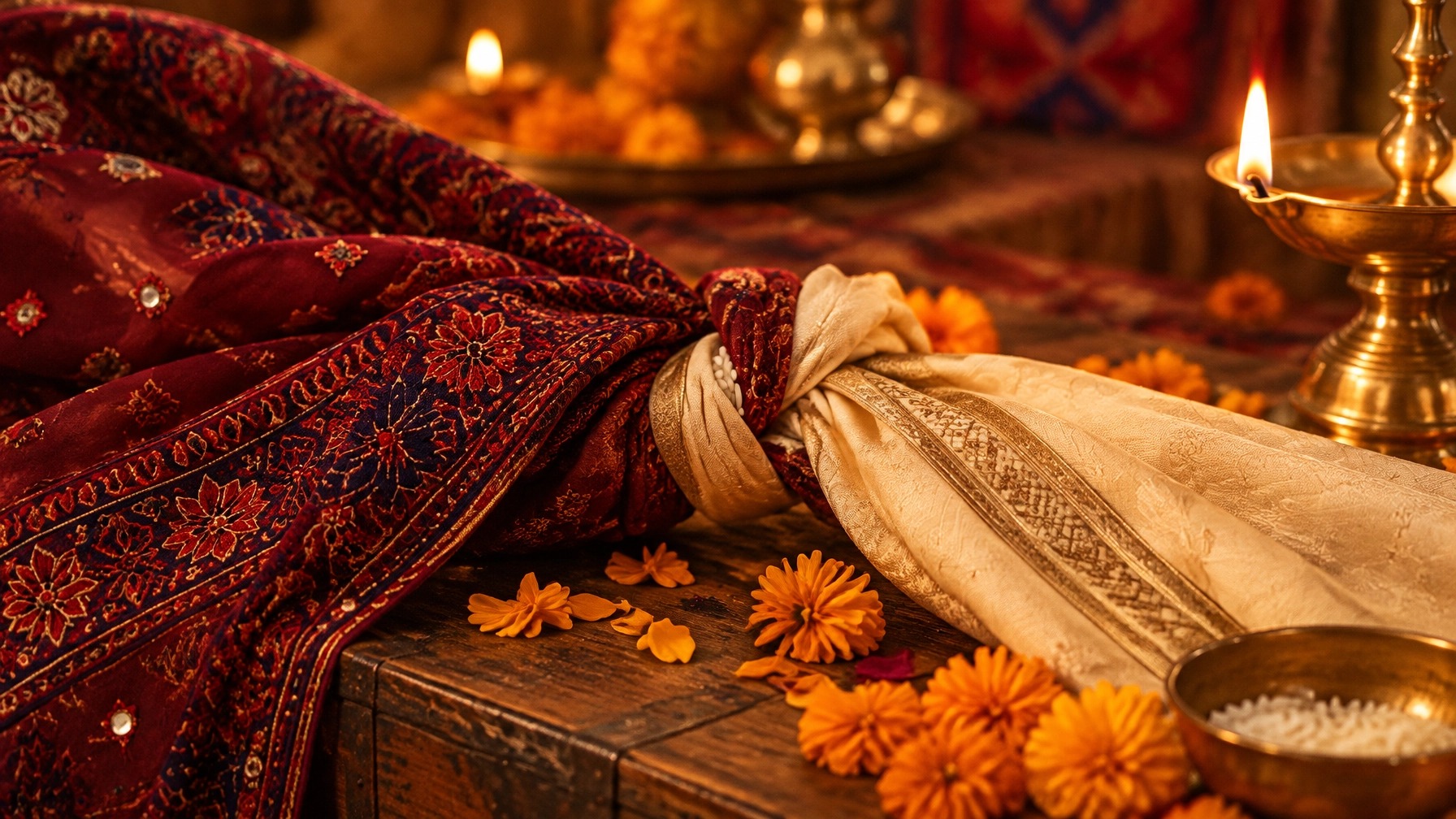
September 18, 2026
Misri, Berana, mehendi, lada songs, the palla and the pheras — inside the Sindhi wedding and how its rituals still bind families across the diaspora.
Read article →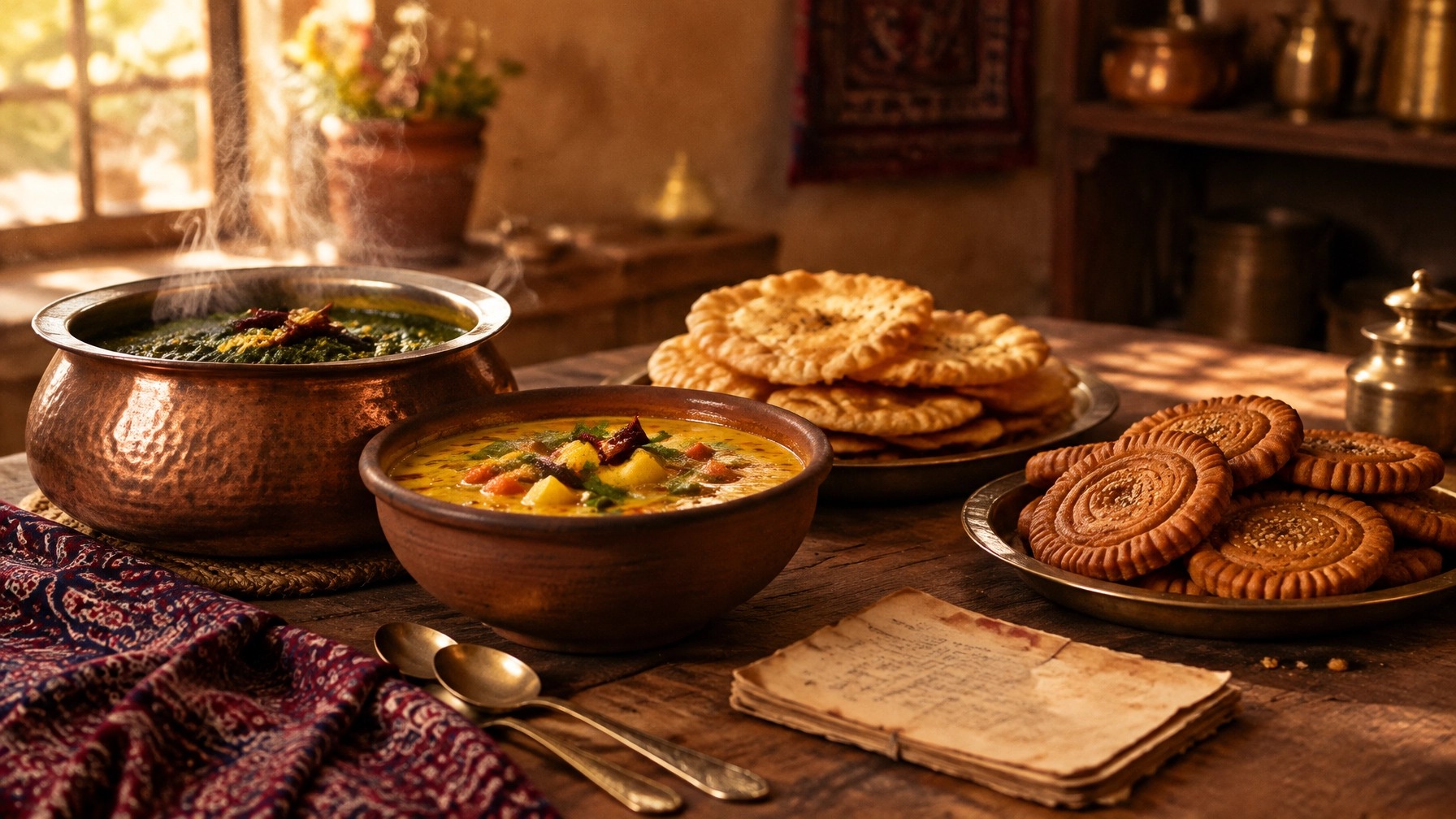
September 16, 2026
Sai bhaji, Sindhi kadhi, dal pakwan and koki — the four dishes that turned a lost homeland into a portable one, and why they still taste like belonging.
Read article →
September 14, 2026
Thirty million, forty million, a hundred countries: how Sindhi merchants, exiles and their descendants built a nation held together by practice rather than borders.
Read article →
September 11, 2026
From the Indus valley to modern skylines: how language, Ajrak, food, faith and exile shaped a Sindhi culture that survives without a border.
Read article →
September 6, 2026
Indigo, madder red and repeating geometry: how Sindhi Ajrak is made across 20-plus stages, what its patterns mean, and why a block-printed cotton cloth still carries an entire identity.
Read article →
September 6, 2026
On 10 April 2026, the Constitution of India was released in Sindhi in both Devanagari and Perso-Arabic scripts — recognition, access and belonging for a language carried through exile.
Read article →
September 6, 2026
New radiocarbon dating pushes Mohenjo-daro's urban roots back to 5,300 years ago — and rewrites the deep-time identity of every Sindhi.
Read article →
September 1, 2026
Ancient in origin, mobile by history, global by instinct: how the Sindhi community carries home across the Indus, the Indian Ocean, Partition, and the digital age.
Read article →
September 1, 2026
From the banks of the Indus to Mumbai, Dubai, Lagos and New York — the story of a people shaped by an ancient river, a 1947 rupture, and the discipline of beginning again.
Read article →
August 27, 2026
Sindhi means "of the Sindhu" - the ancient name for the Indus. How one word carries a river, a homeland, an exile, and a global people.
Read article →
August 27, 2026
From Sassui to Noori, five folk tales from Shah Jo Risalo that carry the memory, courage and belonging of a 5,000-year-old Sindhi civilization.
Read article →