Shah Abdul Latif Bhittai: The Sufi Poet Who Sang Sindh Into the World
Shah Abdul Latif Bhittai (c.1689–1752) turned Sindhi folk heroines into a spiritual language. Inside Shah Jo Risalo, its surs, and why the poetry still travels.
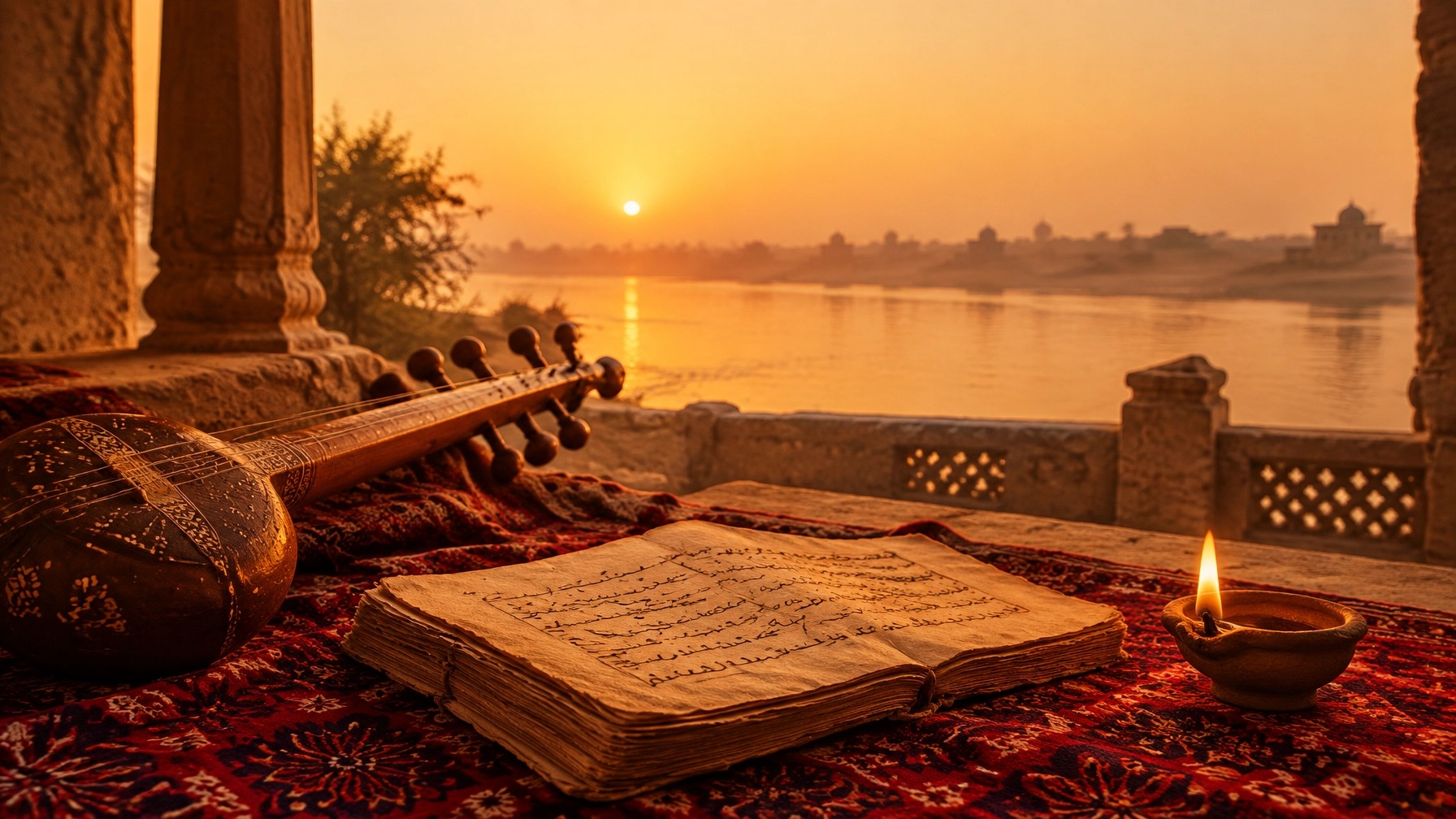
Ask where Sindh keeps its soul and many Sindhis will not name a city. They will name a poet.
A life on the road
Shah Abdul Latif Bhittai lived from around 1689 to 1752, in a Sindh of shrines, caravans, fishing villages and desert routes. He travelled widely with wandering ascetics and yogis, listening as much as preaching. What he gathered was not doctrine but voices: herders, weavers, boatmen, and above all the women of Sindhi folklore.
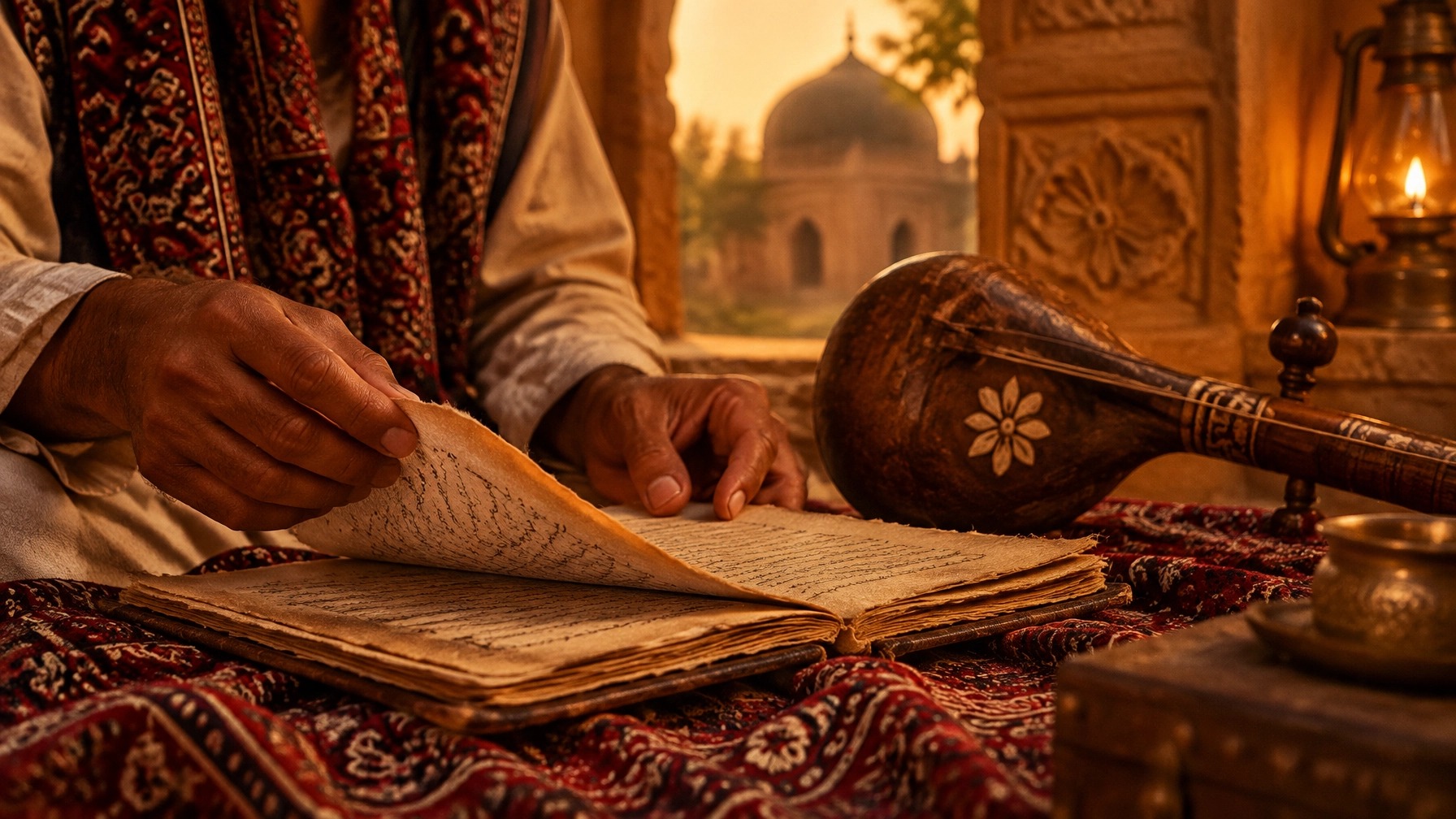
Shah Jo Risalo
His poetry is collected in the Shah Jo Risalo, arranged into roughly thirty surs — chapters named after musical modes. Each sur carries a story and a mood: Sassui walking into the desert after Punhun, Sohni crossing the river on a clay pot, Marui refusing a palace because it is not home. Latif took folk tales everyone already knew and turned them into a spiritual grammar. The longing of a lover for the beloved becomes the longing of the soul for the divine; exile becomes a form of devotion.
His heroines do not wait to be rescued. They walk.
Poetry that is sung, not read
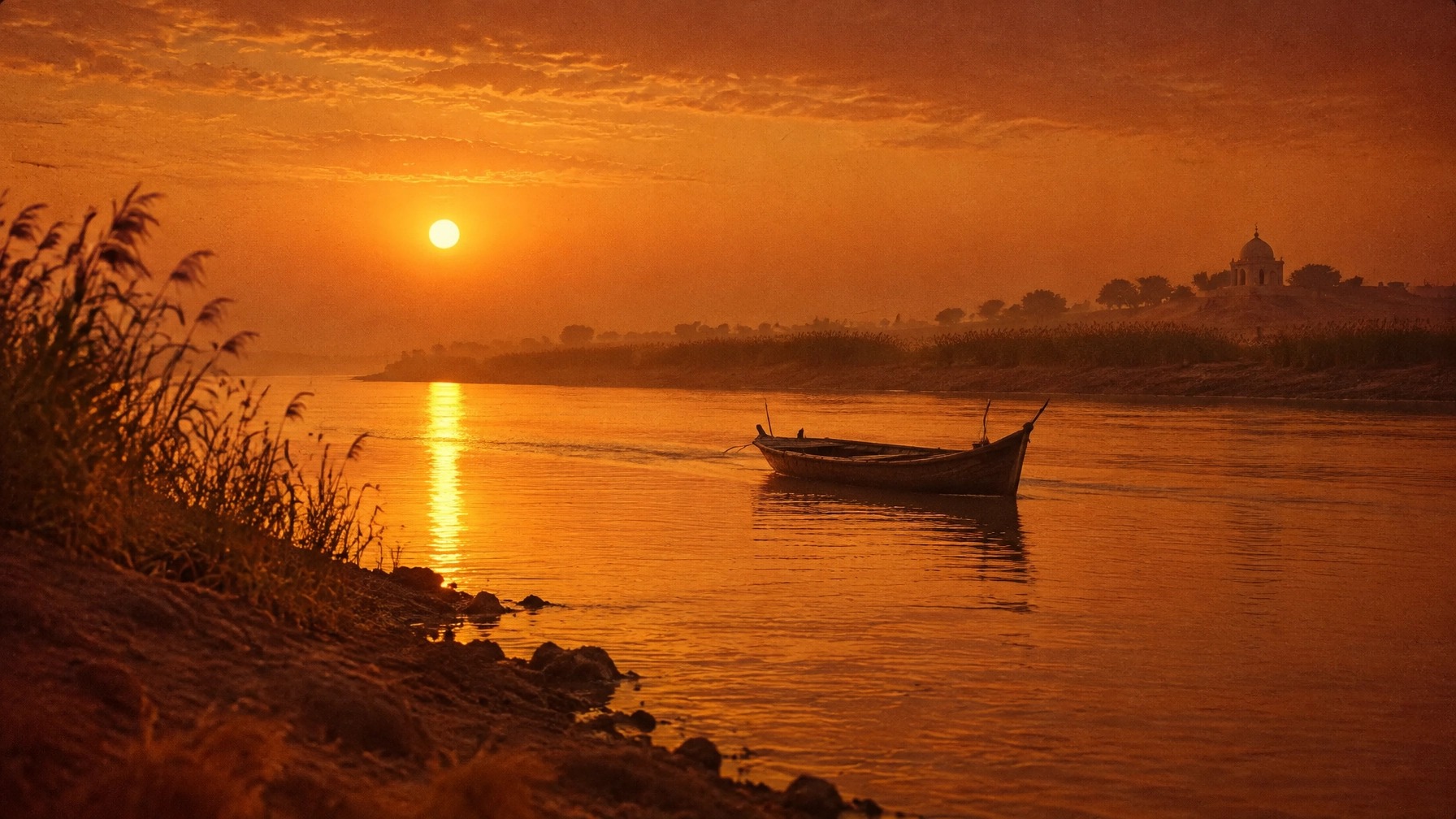
The Risalo was preserved as much by voice as by manuscript. At Bhit Shah, where Latif is buried, faqirs have sung the surs for generations to the tambooro, and the shrine's urs still draws crowds from across Sindh. This is why the poetry survived centuries of political change: it lived in performance, in a form no library could lose.
A poet for all Sindhis
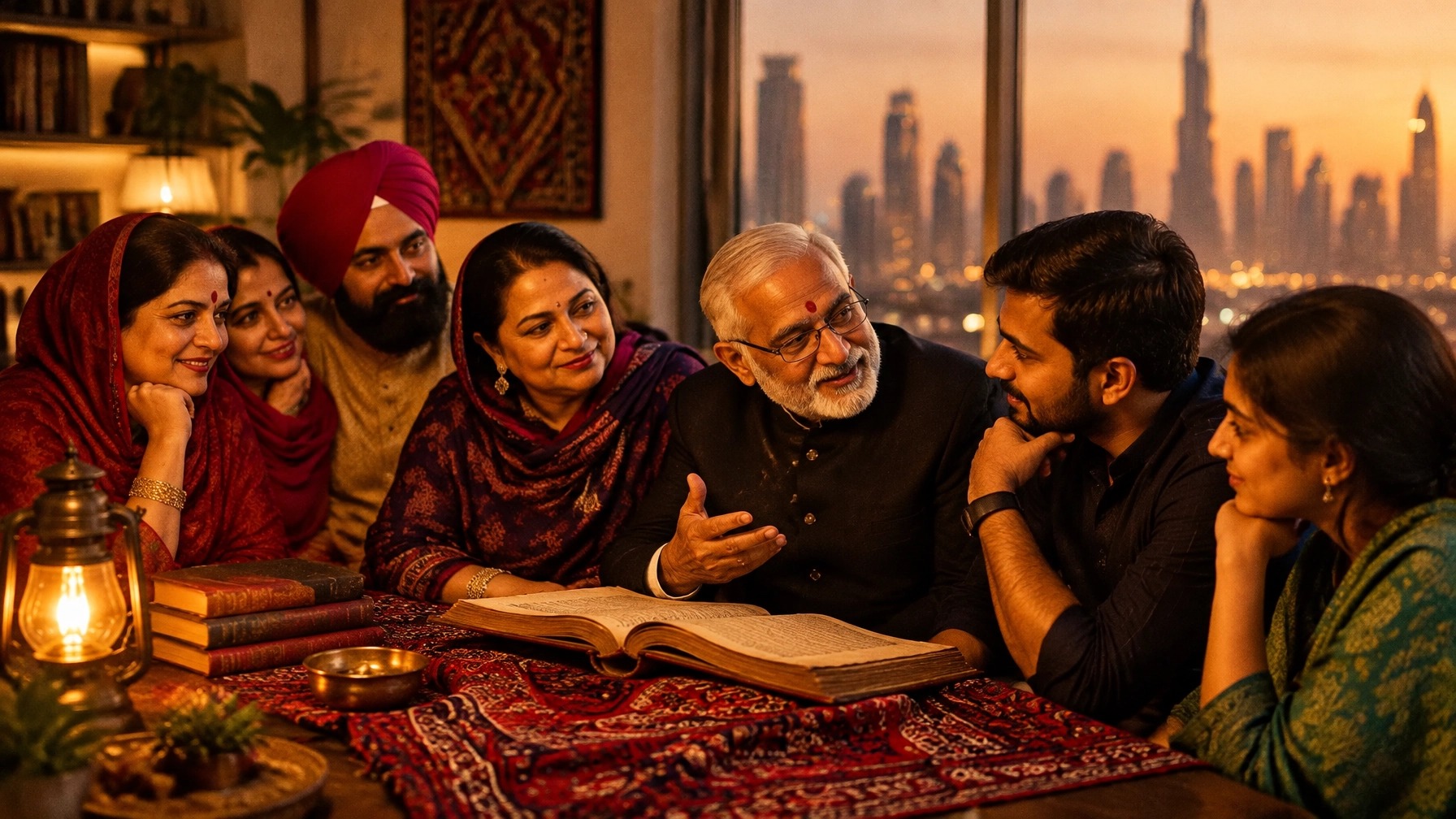
Latif belongs to no single community. Muslim, Hindu and Sikh Sindhis have carried his verses together, and after 1947 his poetry crossed the border with the exiles. In diaspora homes his lines appear at weddings and memorials, in recordings played on long drives, in a grandparent quoting a couplet as an answer to a question nobody asked.
Why he still matters
Bhittai gave a people a way to speak about separation that does not end in despair. For a community shaped by exile, that is not literary decoration — it is equipment for living. Explore the Sindhi language and our ancient origins, or share the verse your family repeats.