The Sindhi Cap: The Embroidered Crown of a Proud People
Mirror work, geometric stitching and a cut-away brow: the Sindhi topi explained, why it is worn with Ajrak, and how it became a portable emblem of identity.
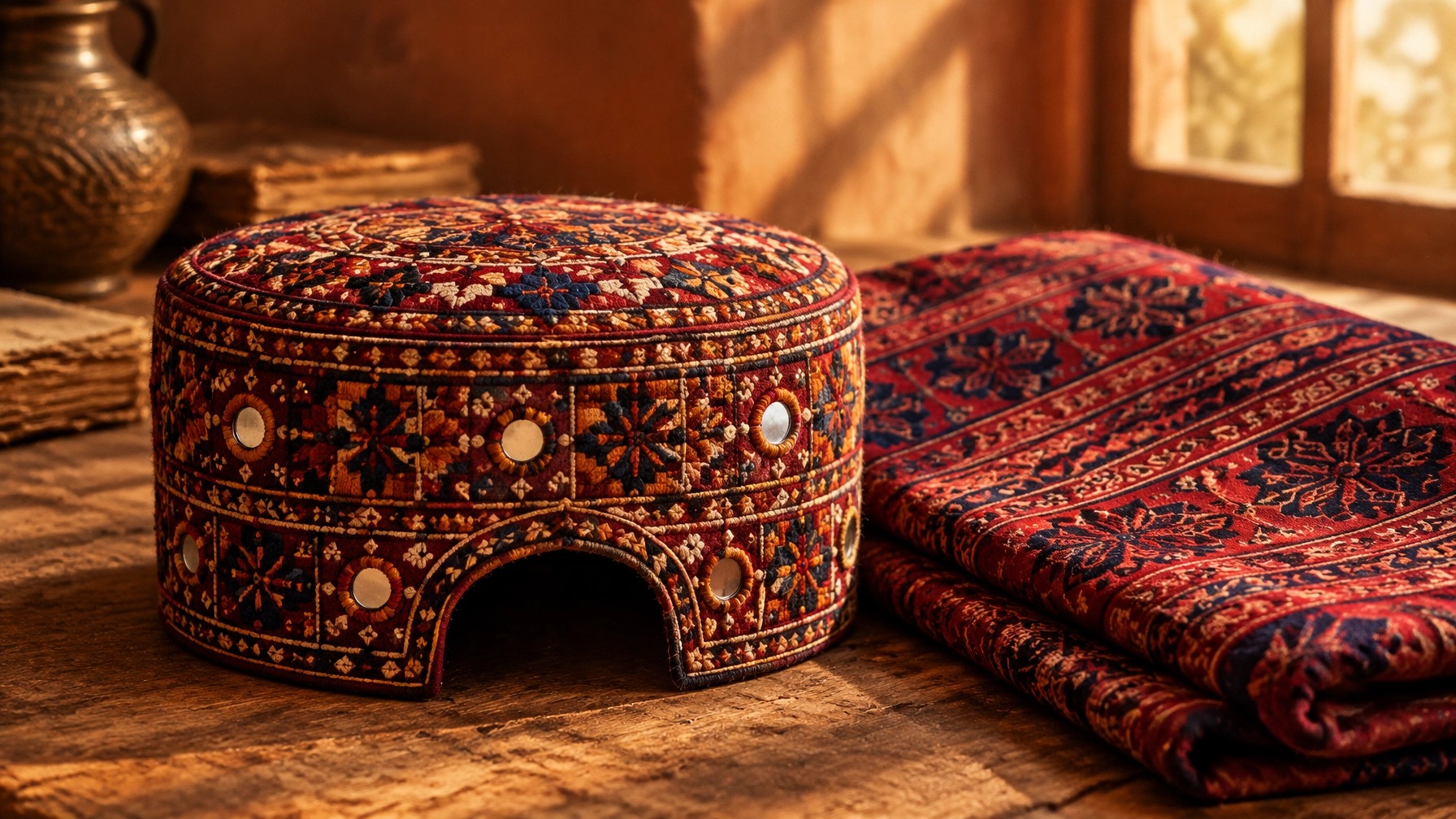
It is small enough to hold in one hand and heavy with everything a people decided to keep.
What the topi is
The Sindhi topi is a rounded cap with an arc cut from the front, so the forehead stays clear for prayer and for the sun. Its surface is dense with geometric embroidery and tiny mirrors, stitched by hand in patterns that vary by region and family. Nothing about it is accidental: the cut, the colours and the mirror work are all inherited decisions.
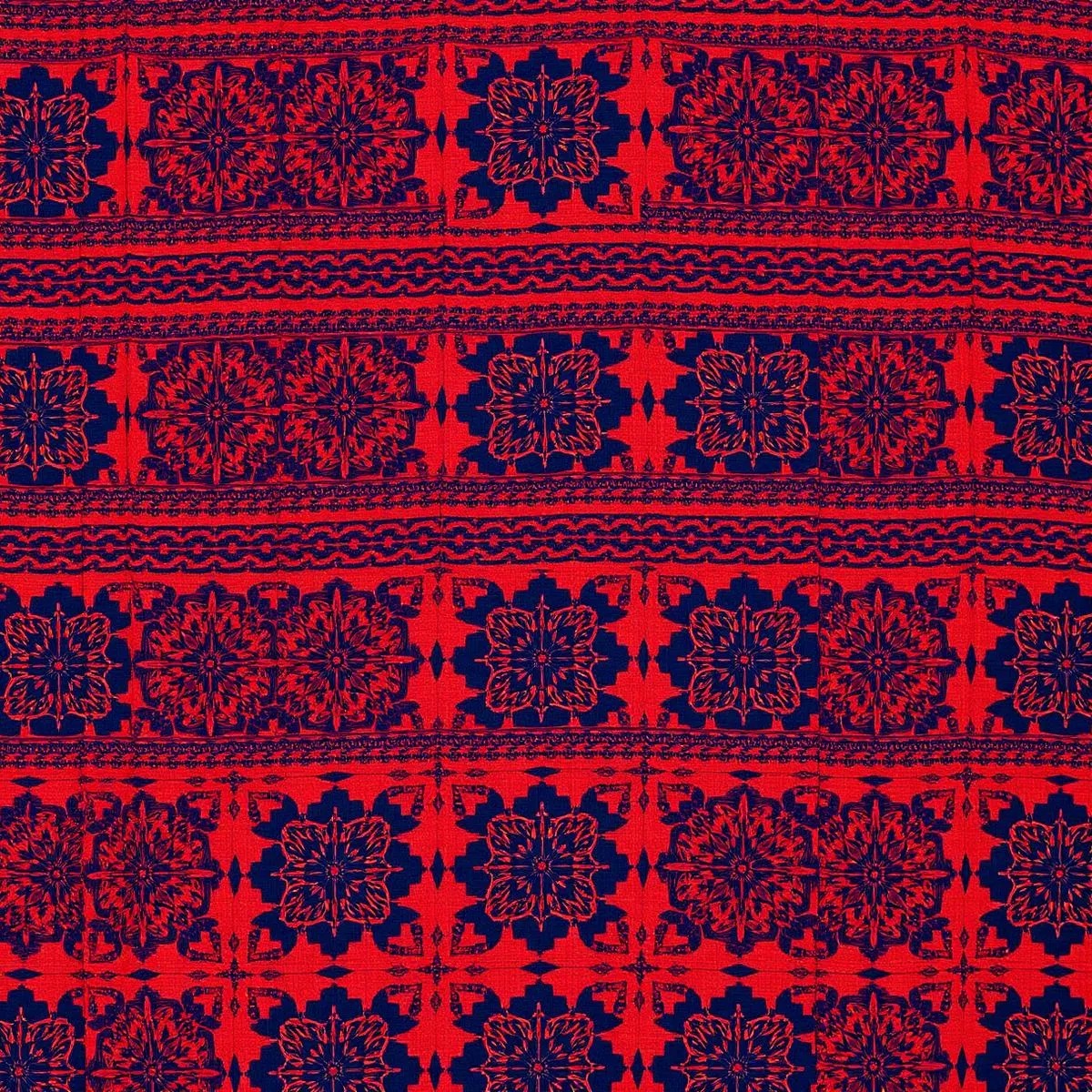
Worn with Ajrak
The topi is almost never alone. Paired with Ajrak — the crimson and indigo block-printed cloth of Sindh — it forms the community's full visual signature. Together they are given as gifts of honour: to a guest, a groom, a returning relative, a person being thanked publicly. In Sindh, Sindhi Culture Day each December fills streets with both.
A story we carry
The following is an original composite story, written to reflect experiences shared by many families rather than one documented account.
A man in Dubai kept his father's topi in a cloth bag at the back of a wardrobe. The mirrors had dulled; one edge had worn through. His son asked to wear it to a wedding, and the father said no — it was too fragile. So the son found a maker who still stitched by hand, ordered a new one, and wore that instead. At the wedding an elderly uncle stopped him, turned the cap over, looked at the stitching on the inside and said only: "Good. Someone is still counting." The old topi stayed in the wardrobe. The practice left it.
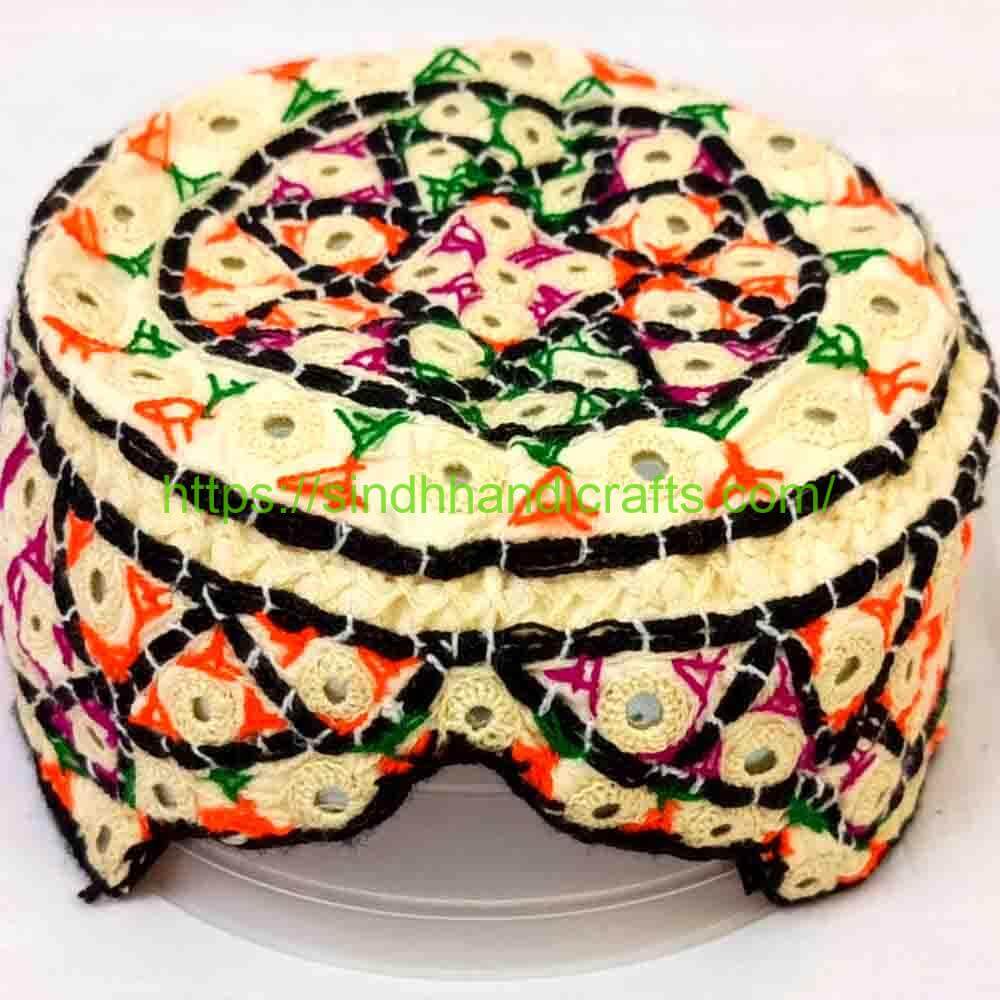
Identity you can wear
For a diaspora, a portable emblem matters. A topi fits in hand luggage. It appears at Cheti Chand in London, at community dinners in New Jersey, at weddings in Hong Kong. It says, without a sentence of explanation, where a family began. And each cap keeps alive the artisans — many of them women working from home in Sindh and Kutch — whose stitching is the actual heritage.
More on who the Sindhi people are, or share the object your family kept.